

 See My Latest Article on HelloNation
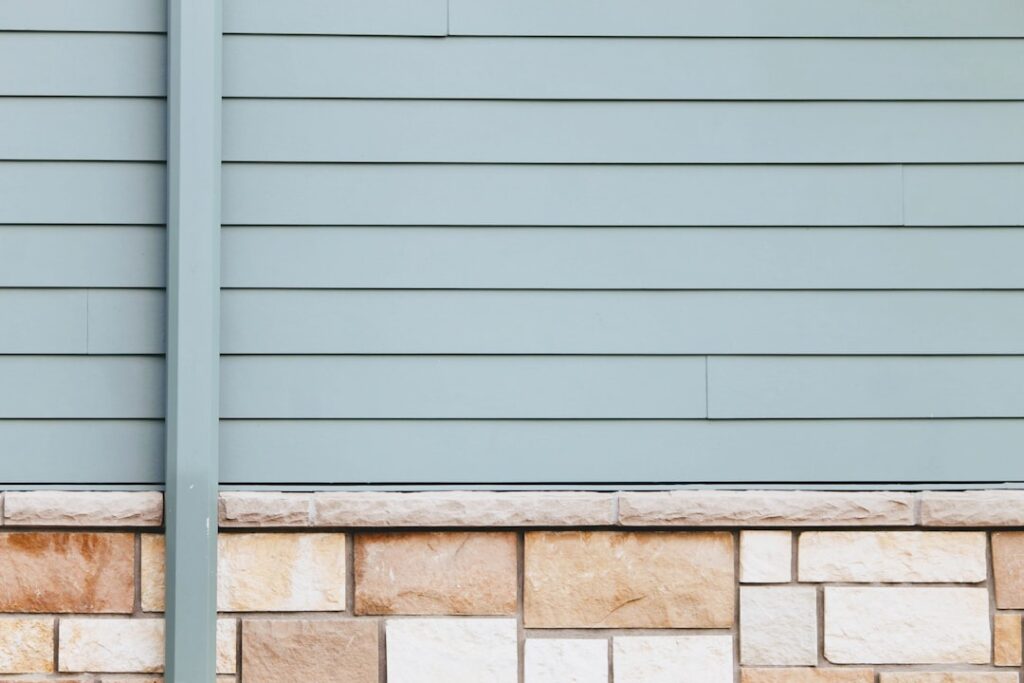
What Types of Exterior Cladding Require the Least Upkeep?
Low-maintenance cladding options include fiber cement, vinyl siding, engineered wood, and metal panels. Each resists weather, pests, and routine wear, reducing the need for frequent painting, repairs, or deep cleaning compared to natural wood or traditional masonry.
In Culpeper, changing seasons can bring humidity, rain, and sun exposure—meaning exterior materials must handle moisture, mold risk, and temperature swings. Cladding that's easier to maintain protects a home's appearance and structural integrity despite the local climate.
How Does Fiber Cement Siding Perform in the Local Climate?
Fiber cement siding is favored in the area for its durability and minimal maintenance. Made from a blend of cement, sand, and cellulose fibers, it stands up well to moisture and is not susceptible to rot, warping, or insect damage.
Owners usually benefit from:
- Resistance to swelling or cracking after heavy rain or snow
- Surfaces that hold paint or factory-applied color for many years
- A look similar to wood, but without regular staining or painting
Keep in mind, fiber cement can be heavier than other options, so it requires proper installation. Annual cleaning with a garden hose and occasional caulk inspection around joints is typically sufficient.
Is Vinyl Siding Really Low-Maintenance?
Vinyl siding is popular among local homeowners for being nearly maintenance-free. It never needs painting, and its color is baked in. Regular washing—usually just with a hose or soft brush—removes dirt, pollen, and mildew that can build up in a humid climate.
Other benefits include:
- Wide range of colors and profiles mimicking wood grain or shakes
- Not affected by termites or woodpeckers
- Maintains its appearance for decades with little effort
However, vinyl can crack in extreme cold snaps or fade slowly from years of UV exposure. Repairs are simple but may involve replacing individual sections rather than patching.
How Do Metal Siding Options Hold Up?
Aluminum and steel panels are both used in residential contexts and require very little upkeep. They resist fire, rot, and insects, and are well-suited for climates prone to heavy rain or hail.
For Culpeper households, metal siding is valued for:
- Non-combustibility, a plus in wooded or rural zones
- Surfaces that shed dirt and rainwater efficiently
- Long-lasting finishes, especially when baked enamel coatings are used
Occasional washing and checking for dents or scratches is enough for most homes. Dents can result from severe hail; painted finishes may eventually require touch-ups, particularly on exposed walls.
Are Engineered Wood Products Truly Low-Maintenance?

Engineered wood siding offers the appearance of real lumber but is structured for durability. It’s treated to repel insects, fungi, and moisture—important in the region’s mixed climate.
Typical upkeep:
- A periodic rinse to clear surface dust and pollen
- Inspecting caulks and joints every few years to prevent water infiltration
Factory finishes generally last longer than field-applied paint. While not completely maintenance-free, engineered wood reduces the work compared to traditional boards, especially where rain splash-back or shade could encourage mildew.
What’s Overlooked When Choosing Easy-Care Siding?
Local households sometimes overlook a few important factors when aiming for the simplest siding experience:
- Installation quality: Even the best materials perform poorly if gaps, misalignments, or poor sealing allow water entry.
- Gutter and trim compatibility: Overflowing gutters or poorly sealed trim can lead to water damage no matter the cladding.
- Color selection: Lighter shades generally show less fading and surface dust than dark colors, a practical factor amid Culpeper’s sun and pollen cycles.
- Ventilation: Siding should not be airtight; underlying walls must be able to breathe to avoid trapped moisture.
Always review the warranty and cleaning recommendations specific to the chosen material.
Are There Local Rules or Neighborhood Standards Affecting Siding Choices?
Some residential areas have guidelines or restrictions on material type, profile, and color for exterior cladding. Homeowners’ associations, preservation districts, or county regulations can influence allowable options for visible facades or historic properties in town.
Before selecting a new cladding system, reviewing neighborhood covenants and local building codes ensures compliance and can simplify future resale.