

 See My Latest Article on HelloNation
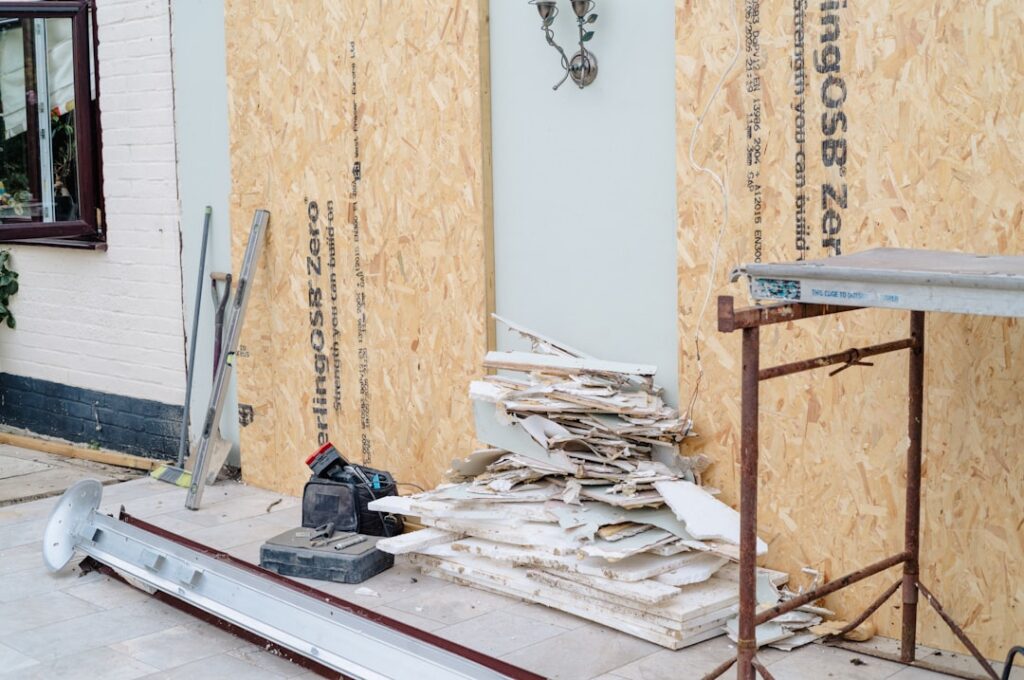
Are Recycled Building Materials Reliable for Local Construction?
Recycled building materials can be a reliable option for many home improvement and construction projects in Culpeper, VA, especially when used appropriately for the region's climate and building practices. These materials—ranging from reclaimed wood to recycled concrete and metal—often meet standard building codes while diverting waste from landfills. However, understanding where they fit in and their limitations helps homeowners and builders make informed decisions.
What Kinds of Recycled Building Materials Are Commonly Used?
Locally, recycled building materials might include:
- Salvaged wood from barns, fences, or former construction
- Recycled concrete aggregate used in driveways or patios
- Reclaimed bricks or pavers from demolished structures
- Metals like recycled steel and aluminum, often found in framing or roofing
These materials are usually processed to remove damage and impurities, making them suitable for various projects in the area’s blend of historic homes and modern builds.
Do Recycled Materials Hold Up to Culpeper’s Weather?
Recycled materials can perform well in the region's humid summers, cold winters, and frequent rainfall—if chosen with care. For example:
- Reclaimed hardwood is durable for flooring and beams, as long as it’s been inspected for rot or insect damage.
- Recycled metal, especially when galvanized or coated, can withstand temperature swings and precipitation.
- Concrete with recycled aggregate is appropriate for driveways and walkways, but not always for critical structural elements unless it passes strength testing.
Moisture resistance and insulation value can vary with second-life materials, so it’s important to understand the product’s specifics before installation, particularly for exterior or load-bearing uses.
Are There Environmental Benefits to Using Recycled Materials in Local Projects?
Using recycled materials is one way local residents can reduce resource consumption and landfill waste. This approach can save energy that would otherwise be used to manufacture or transport new products, an especially practical advantage in a community with both older and newer building stock.
While recycling old bricks or timber avoids sending them to the landfill, repurposing existing materials also reduces the need for extracting and processing new resources—a consideration for anyone interested in sustainable building practices.
Is Sourcing Recycled Building Materials Practical in Culpeper?
Accessing quality recycled building materials is increasingly practical for residents, though the supply and variety can vary by season and project type. Some materials, like salvaged wood or used pavers, are more abundant after local renovations or demolitions.
Local regulations and historic preservation guidelines may influence what materials can be reused in certain projects, particularly in the central district or for significant exterior changes. For routine repairs, basic renovations, or garden structures, it’s generally simpler to find suitable recycled options.
How Do Costs Compare to New Materials?
Costs for recycled materials can fluctuate based on local supply and demand. Sometimes, second-life items like reclaimed wood are more expensive than new wood because of labor required for cleaning, planing, or inspecting them for safety. On the other hand, recycled concrete or brick is often less costly for bulk landscaping or non-structural uses.
Residents may also find savings by using recycled elements for non-cosmetic features—such as interior framing or subfloors—and reserving new products for visible finishes. Factoring in the real costs means looking at both purchase price and potential preparation or installation work.
What Are Some Common Concerns or Misconceptions?
Some area homeowners worry about the quality or appearance of recycled materials. While occasionally items do show signs of wear, the majority are carefully salvaged and processed to meet existing building codes. Always check for:
- Compatibility with current building standards
- Evidence of previous damage, pests, or chemical treatment
- Suitability for local climate conditions (for example, avoiding untreated wood outdoors)

Another concern is whether using recycled materials could affect property value. In most cases, well-installed reclaimed materials either have no effect or may even increase value due to their unique character and sustainability appeal.
Who Should Consider Using Recycled Building Materials?
These materials are a good fit for residents aiming to:
- Complete smaller projects like fencing, patios, or sheds
- Restore older homes with period-appropriate or historic features
- Incorporate eco-friendly practices into renovations or new builds
- Find distinctive finishes or accents not available through standard suppliers
Projects involving major structural changes or meeting strict building regulations should be approached thoughtfully, and may require verification that materials meet safety codes.
What Steps Can Residents Take to Ensure Safe Use?
Anyone interested in recycled building materials should:
- Verify material origin and structural integrity for critical uses
- Ask about previous treatments (especially for reclaimed wood, which might have old paint or stains)
- Use reputable sources or community programs known for strong quality controls
- Consult building guidelines if working on projects subject to permitting
For most projects, informed selection and proper installation are enough to ensure recycled materials offer a strong, reliable, and environmentally responsible choice for the community.