

 See My Latest Article on HelloNation
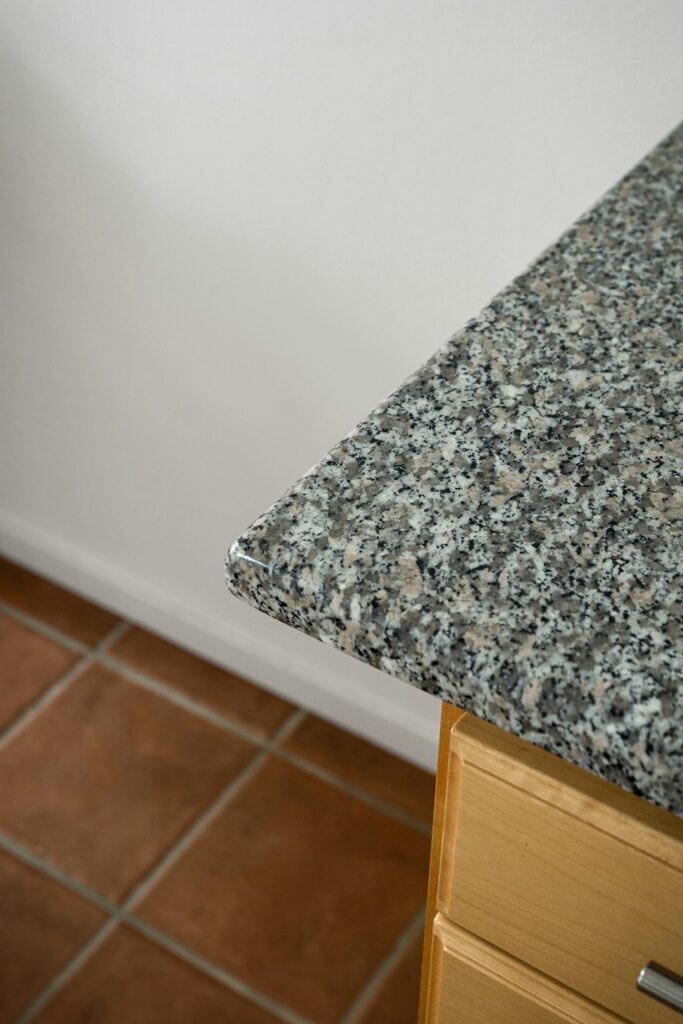
Kitchen countertops affect more than appearance. They influence food preparation, cleaning, durability, maintenance, resale expectations, and how comfortably a kitchen functions each day. For households in Culpeper, VA, the right choice also depends on seasonal humidity, cooking habits, home age, cabinet condition, and the amount of upkeep a household is willing to handle.
The most suitable material is rarely the one with the highest price or the most dramatic appearance. It is the surface that fits the way the kitchen is used.
What should be considered before choosing a countertop?
Start with daily use rather than color or pattern. A countertop should match the household’s cooking habits, cleaning routine, and tolerance for normal wear.
Ask these questions first:
- Is most food preparation done directly on the counter?
- Are hot pans, heavy appliances, or large mixing bowls commonly placed on the surface?
- Does the household need a low-maintenance material?
- Is a highly uniform appearance preferred, or is natural variation acceptable?
- Will the existing cabinets support a heavy countertop?
- Is the kitchen part of a historic, older, or recently renovated home?
- How much budget should be reserved for the sink, edge profile, backsplash, and installation?
The countertop is only one part of the project. A material that appears affordable by the square foot may require additional spending for special edges, cutouts, reinforcement, sealing, or changes to the cabinets.
How do common countertop materials compare?
Each material has distinct strengths and limitations. There is no universal winner for every kitchen.
Laminate
Laminate is lightweight, available in many patterns, and generally one of the more economical choices. Modern versions can resemble stone, wood, or concrete without requiring the same structural support.
Its main weaknesses are vulnerability to cuts, heat damage, and moisture intrusion at seams or exposed edges. A damaged area is usually difficult to repair invisibly. Laminate works well for households that want a practical surface at a controlled cost and do not regularly place hot cookware directly on the counter.
Solid surface
Solid-surface countertops are made from a nonporous manufactured material. Seams can often be made less noticeable, and small scratches may be repairable by sanding or refinishing.
This material is useful for busy kitchens because it is easy to clean and does not require routine sealing. However, it can be scratched or damaged by high heat. Trivets and cutting boards are still necessary, even though minor damage may be easier to correct than with some other surfaces.
Quartz
Quartz countertops are engineered from mineral material and resin. They offer consistent color, a broad range of patterns, and good resistance to everyday staining. Because the surface is nonporous, routine sealing is generally not part of normal care.
Quartz is not indestructible. Direct heat, sharp impacts at corners, or excessive force near sink cutouts can cause damage. The resin component can also be affected by prolonged intense sunlight, which may matter in kitchens with strong, unobstructed exposure. Quartz is often a good fit for households seeking a stone-like appearance with relatively simple maintenance.
Granite
Granite is a natural stone with variation in color, movement, and mineral pattern. It handles normal kitchen heat and heavy use well when properly selected and maintained.
Many granite surfaces benefit from periodic sealing, although the needed frequency varies by stone and use. Darker or denser stones may behave differently from lighter, more absorbent varieties. Spills should still be wiped up rather than left to soak into the surface, particularly near seams and unsealed areas.
Marble and other natural stones
Marble offers a distinctive appearance but is more reactive to acids and more likely to show etching, staining, or scratches. Lemon juice, vinegar, tomato products, and some cleaners can dull the finish.
Other natural stones, such as soapstone or quartzite, have different performance characteristics. The name of the stone alone does not explain how it will behave. Ask about porosity, heat resistance, scratching, sealing, and likely changes in appearance over time.
Butcher block and wood
Wood countertops add warmth and can be comfortable for food preparation. They may be appropriate for islands, baking areas, or kitchens where a softer visual contrast is desired.
Wood requires more attention around sinks, dishwashers, and other wet areas. Water left at seams can cause swelling, discoloration, or finish failure. Scratches may be sanded out, but the surface needs appropriate oil or finish maintenance. A wood counter should not be treated as maintenance-free simply because it can be repaired.
Concrete
Concrete allows substantial customization in color, shape, thickness, and texture. It can suit kitchens with a strong architectural or handcrafted style.
It is also heavy and may require careful structural planning. Concrete can develop hairline cracks, and its sealer may need renewal. Staining, moisture, and uneven curing can affect the final appearance. It is best evaluated as a complete system that includes the base, reinforcement, finish, and installation method.
Which countertop is easiest to maintain?
For the lowest routine maintenance, nonporous materials such as quartz and many solid-surface products are generally easier to clean because they do not normally require sealing. Laminate is also simple to wipe down, although its seams and edges need protection from standing water.

Natural stone and wood require more awareness. That does not make them poor choices; it means the household must accept regular care and some visible changes over time. A material that develops patina, small marks, or color variation may be appealing to one household and frustrating to another.
Avoid abrasive cleaners unless the manufacturer specifically allows them. A mild cleaner, soft cloth, and prompt attention to spills are appropriate for many surfaces, but care instructions differ by material and finish.
How do heat, moisture, and seasonal conditions affect the choice?
Kitchen surfaces are exposed to more than food and cleaning products. Seasonal changes in temperature and humidity can affect wood, adhesives, seams, and cabinetry. In Culpeper, older homes and remodeled kitchens may contain a mixture of original framing, newer cabinets, and updated plumbing, so the condition of the supporting structure deserves attention before selecting a heavy material.
Moisture is especially significant around sinks, dishwashers, backsplashes, and countertop joints. A material may resist water while the cabinet beneath it does not. Inspect for swelling, soft particleboard, leaking supply lines, or gaps around plumbing before installation.
Heat resistance also has limits. Even materials that tolerate brief contact with warm cookware may be damaged by a hot pan, slow cooker, or heated appliance left in one place. Trivets remain useful for nearly every countertop type.
Does countertop weight matter?
Yes. Stone and concrete surfaces can weigh considerably more than laminate or some solid-surface options. Cabinets must be level, firmly secured, and capable of supporting the load without sagging or shifting.
This matters particularly in older kitchens, kitchens with modified walls, and projects where cabinets are being reused. A countertop replacement can reveal problems that were not obvious when the lighter original surface was installed. Support requirements should be reviewed before material is ordered.
What countertop color and pattern work best?
A practical design usually balances the countertop with the cabinets, flooring, backsplash, and amount of natural light. Highly patterned stone can disguise crumbs and small marks, while very dark, glossy surfaces may show dust, fingerprints, and water spots more readily.
For a kitchen expected to remain in place for many years, neutral colors and restrained patterns are often easier to live with than highly trend-specific designs. Samples should be viewed under the kitchen’s actual lighting because showroom lighting can make colors appear different.
Also examine a large sample when possible. Small samples may not show the full movement of natural stone or the repeated pattern of manufactured materials.
What mistakes should be avoided?
Common problems usually result from overlooking practical details rather than choosing the “wrong” material.
- Selecting a surface without checking cabinet support or level.
- Treating all stone products as if they have identical care requirements.
- Placing seams where water routinely collects.
- Choosing a thin or delicate edge for an area that receives heavy impact.
- Forgetting to account for sink, cooktop, faucet, and outlet cutouts.
- Assuming heat-resistant means heat-proof.
- Using harsh cleaners that dull the finish.
- Focusing on the countertop price while overlooking installation and related work.
The best choice combines appearance, performance, maintenance, structural needs, and realistic expectations. A kitchen used for daily cooking may benefit from a different surface than a lightly used secondary kitchen, even when both rooms have a similar design.