

 See My Latest Article on HelloNation
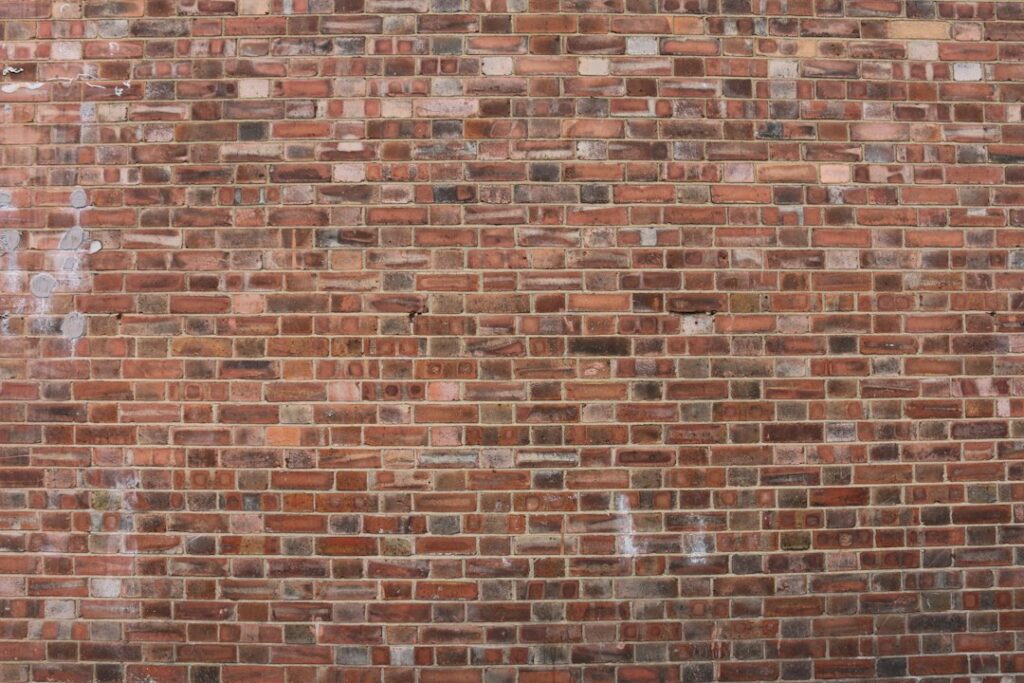
Why does mortar need to match the brick?
The right mortar should be compatible with the brick’s strength, porosity, age, and exposure. Matching is not only about color. A mortar that looks correct but is too hard can damage older brick by forcing moisture and freeze-thaw stress into the masonry units.
For homes in Culpeper, VA, seasonal temperature changes make compatibility especially important. Masonry may absorb water during rain, snow, or humidity, then expand and contract as temperatures change. Mortar joints need to accommodate some movement and allow moisture to escape.
A suitable repair mortar should generally be:
- Similar in strength to the surrounding mortar
- Close in color and texture
- Comparable in softness and permeability
- Appropriate for the brick’s age and firing method
- Able to weather at a similar rate
The mortar joint is intended to be the more replaceable part of a masonry wall. If the mortar is significantly harder than the brick, the brick may crack, spall, or shed its outer surface before the joint shows obvious failure.
How can the age of the brick help identify the correct mortar?
The age and construction style of a wall provide useful clues. Older brick commonly used softer, more porous lime-based mortar, while many modern walls use stronger Portland cement-based mixes. However, age alone does not identify the mortar, so visual inspection and testing are still necessary.
Older masonry often has mortar joints that are:
- Relatively soft when gently scratched with a metal tool
- Uneven in color, with gray, tan, cream, or weathered tones
- Slightly recessed, rounded, or irregular
- More porous than modern cement mortar
- Made with visible sand particles or small aggregate
Newer brickwork may have harder, sharper-edged joints with a more uniform gray appearance. Some buildings have been repaired several times, meaning the same wall can contain more than one mortar type.
A common mistake is assuming that the strongest available mortar is the safest choice. Masonry repair is not improved simply by using a harder mix. The replacement material must work with the existing wall rather than overpower it.
Should mortar color match the brick or the old joint?
Mortar color should match the existing mortar joint, not the brick itself. The joint occupies a large portion of a brick wall’s visible surface, so even a small color difference can make a repair noticeable.
Color is affected by several ingredients and conditions:
- Sand color and particle size
- Cement or lime color
- Pigments, if used
- Water content
- Weathering and exposure
- Tooling and finishing methods
- The thickness and depth of the joint
A sample should be viewed after it has fully cured and dried. Wet mortar often appears darker than it will look later. It is also useful to compare the sample in both shade and direct sunlight because surrounding brick can change the perceived color.
Avoid judging a match from a small dab placed on the wall. A larger sample panel provides a more realistic view of color, texture, joint profile, and overall contrast.
What mortar strength is appropriate for older brick?
The mortar should usually be no stronger than necessary and often should be weaker than the brick. Softer mortar allows the joint to absorb minor movement and moisture-related stress. Hard mortar can transfer those stresses into the brick.
For older or soft-fired brick, a compatible mortar may contain more lime and less Portland cement than a standard modern masonry mix. The exact proportion depends on the original construction, exposure, and repair location.
Strength should not be guessed from appearance alone. Two gray mortars may have very different properties, and a mortar that feels hard at the surface may still have a weaker interior. If the wall is historically significant, heavily weathered, or showing widespread cracking, laboratory analysis or evaluation by a masonry conservation specialist may be justified.
For a small, nonstructural repair, careful observation and a test panel may provide useful guidance. Structural movement, leaning walls, bulging brick, or extensive deterioration require more detailed assessment before repointing begins.
How does joint texture affect a mortar match?
Texture matters because mortar is made from more than cement and water. The sand gives the joint much of its visible character, including grain size, color variation, and roughness.
A modern fine-grained mortar may look too smooth beside an older wall that contains coarse sand. Conversely, an overly coarse mix can appear rough and out of place on finely finished brickwork.
Look closely at an undamaged section of the wall and note:
- Whether the sand is fine, medium, or coarse
- Whether particles are visible from a normal viewing distance
- Whether the joint is smooth, brushed, raked, or lightly textured
- Whether the mortar contains small stones or dark mineral flecks
- Whether the joint surface is flat, concave, weathered, or recessed

The finishing tool also changes the appearance. A concave joint reflects light differently from a weathered flush joint, even if the mortar ingredients are identical.
Is removing the old mortar necessary?
Loose, cracked, or visibly deteriorated mortar may need to be removed before repointing, but sound mortar should not be removed merely to create a uniform appearance. Unnecessary removal can damage brick edges and widen the repair area.
For many traditional brick walls, mortar is removed to a controlled depth with hand tools or carefully operated equipment. Aggressive grinding can cut into the brick, enlarge joints, and leave surfaces vulnerable to water entry.
The new mortar should be placed into a clean, stable joint and compacted in layers when the joint is deep. Repointing over dust, loose material, or painted surfaces can produce a weak bond.
Brick should also be protected from mortar smears. Hardened cement residue can be difficult to remove without damaging the face of the brick.
How should a test panel be used?
A test panel is the most practical way to compare mortar before repairing an entire wall. It should be placed in an inconspicuous area using the proposed mix, color, joint profile, and tooling method.
Allow the sample to cure and evaluate it for:
- Color in wet and dry conditions
- Texture and aggregate appearance
- Hardness compared with the original joint
- Recess or projection relative to the brick face
- Visual consistency in sunlight and shade
- Water behavior after light weather exposure
A sample that looks acceptable immediately may change as it cures. Waiting several days before making a final judgment can prevent a large area from being repaired with an unsuitable mix.
What should Culpeper residents watch for during seasonal weather?
Freeze-thaw exposure is a major concern wherever masonry absorbs water and temperatures move below and above freezing. In the local climate, shaded walls, chimney areas, parapets, and locations exposed to driving rain may remain damp longer than protected surfaces.
Signs that mortar or brick may need closer attention include:
- Crumbling joints
- Vertical or stair-step cracks
- Brick faces flaking or popping off
- Persistent dampness
- White mineral deposits
- Gaps around windows or doors
- Chimney joints that have recessed significantly
Water management should be considered alongside mortar selection. Damaged flashing, overflowing gutters, failed sealant, or porous caps can cause repeated wetting that no mortar mix will solve by itself.
The most durable repair is usually the one that balances appearance with compatibility. Matching the old joint’s softness, porosity, texture, color, and profile helps the brick wall continue to handle moisture and seasonal movement as a unified system.