

 See My Latest Article on HelloNation
How Do Natural and Manufactured Stone Differ?
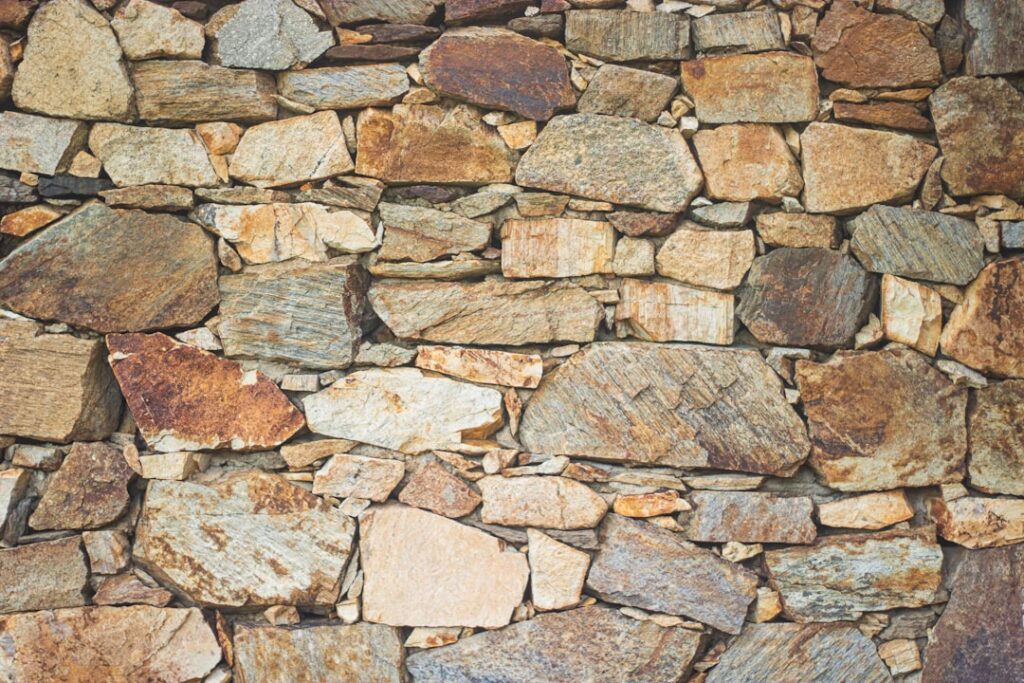
Natural stone is quarried from the earth in its original form, while manufactured stone, also called cultured or faux stone, is made from concrete and pigments molded to resemble the look and texture of real stone. Both options are popular in Culpeper, VA, for projects like fireplaces, walls, home exteriors, and landscaping, but they offer different benefits and drawbacks.
Natural stone is cut or split to shape, keeping its unique color, veining, and weathered surface. Manufactured stone is created in molds taken from real stones, then colored to achieve a natural effect. The two can look very similar in finished projects, but their origins impact factors like durability, installation, and cost.
—
What Should Homeowners in Culpeper Consider for Outdoor Projects?
For outdoor features like patios, retaining walls, and facades, weather and soil conditions play a big part. Natural stone is highly durable and can last generations, resisting UV fading, freeze-thaw cycles, and heavy seasonal moisture. This natural resilience is especially useful in Culpeper’s climate, where summers are humid and winters may bring snow and ice.
Manufactured stone is frost-resistant and lighter in weight, making it easier to install—especially on vertical surfaces. However, even high-quality manufactured stone may show wear or fading faster if not installed correctly, especially in areas exposed to direct rainfall, runoff, or repeated freeze-thaw cycles common in this region.
Natural stone
- Lasts longer in exposed, high-traffic, or heavily weathered areas
- Tends to be heavier and requires deeper foundations or support
- Shows natural color variation and unique character in each piece
Manufactured stone
- Easier to handle and install, especially over wood-framed or insulated walls
- Wide variety of styles and colors, though the look can sometimes repeat due to mold shaping
- Usually more uniform and lighter in weight, making it suitable for retrofits or lightweight walls
—
How Does Maintenance Compare Over Time?
Both types are low-maintenance, but aging and upkeep differ. Natural stone needs little more than occasional rinsing, though softer stones like limestone may develop surface stains that require gentle cleaning.
Manufactured stone, while generally easy to maintain, has colored surfaces that can wear down, particularly if harsh cleaners or pressure washers are used. Over decades, the pigments may dull, especially on sun-exposed, vertical installations. For residential landscape features in Culpeper, most homeowners find cleaning with a mild soap and soft brush is enough for either option.
—
Are There Environmental Considerations?
Natural stone is quarried and requires transportation, which can add to its environmental impact, especially for types not available locally. However, it is a non-toxic, long-lasting material that does not off-gas or degrade into synthetic particles. Opting for locally sourced stone, when possible, reduces transportation emissions.
Manufactured stone usually contains cement and aggregates, materials with their own carbon footprint. However, because it is lighter and produced closer to point-of-use, it often reduces shipping resources. Some types include recycled materials, but buyers should check for product certifications.

—
What About Cost Differences?
Natural stone generally costs more to purchase and install, due to labor-intensive quarrying, transportation, and handling. Its weight can also increase preparation costs for foundations and supports in projects like retaining walls or chimneys.
Manufactured stone is typically less expensive and quicker to install, thanks to lower material costs and lighter weight. For large surfaces or when budget is a primary concern, manufactured stone provides a similar aesthetic with less up-front cost. However, longevity and potential replacement costs should be considered for projects expected to last several decades.
—
Does Local Building Style or Regulations Matter?
Culpeper has a mix of historic and modern housing, from rural lots to classic neighborhoods. Natural stone matches well with the traditional character of older homes and farmhouses, while manufactured stone lends itself to newer construction or remodeling projects on mixed-material exteriors.
In some subdivisions or historic zones, there may be guidelines or restrictions on facade materials or fencing height, especially near the downtown area or in designated growth corridors. Always check with local building offices before purchasing large amounts of material. Both options are typically accepted for landscape and garden uses.
—
Can Both Be Used Indoors?
Yes, both natural and manufactured stone work well for indoor fireplaces, accent walls, and kitchen details. Manufactured stone is often chosen for interior applications because of its lighter weight and easier cutting. Natural stone may add more initial value and timeless appearance, especially in spaces where the stone can be closely seen and touched.
—
Common Misconceptions or Overlooked Factors in the Area
Some residents expect manufactured stone to be fully waterproof, but its concrete base is still porous. Both materials need proper flashing and drainage behind walls, especially in the wetter months in this region.
Another common belief is that natural stone is always better, but there are applications—such as lightweight garden walls or second-story facades—where manufactured options are more practical and cost-effective.
—