

 See My Latest Article on HelloNation
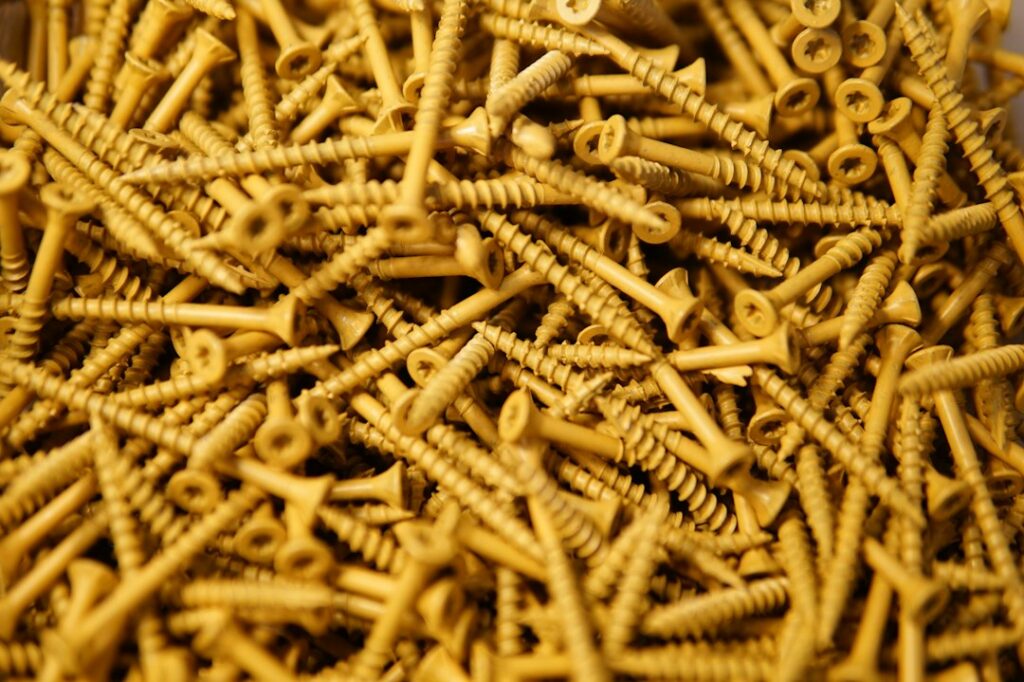
Choosing the right fastener affects how safely, securely, and cleanly a project comes together. Screws, nails, bolts, anchors, and specialty fasteners are designed for different materials and loads, so the best choice depends on what is being joined, where it is located, and how much stress it must handle.
For homeowners in Culpeper, VA, local conditions also matter. Seasonal moisture, temperature changes, older homes, pressure-treated lumber, masonry construction, and outdoor exposure can all influence fastener performance.
What should be considered before choosing a fastener?
The material, load, location, and environment should be evaluated first. A fastener that works well for interior trim may fail prematurely in an exterior deck or masonry wall.
Ask these questions before selecting hardware:
- What materials are being joined?
- Will the connection carry weight, resist pulling, or withstand movement?
- Is the project indoors or outdoors?
- Will the fastener be exposed to rain, soil, condensation, or treated lumber?
- Does the connection need to be removable?
- Is appearance important?
- Will the fastener be driven into solid wood, plywood, metal, concrete, brick, or drywall?
A small repair may only need a properly sized screw. Structural work, overhead installations, guardrails, stairs, and load-bearing connections require more careful attention to fastener type, size, spacing, and installation method.
When are screws the better choice?
Screws are usually preferred when a strong connection is needed and future removal may be useful. Their threads grip the surrounding material, making them practical for cabinetry, framing repairs, shelving, furniture, trim, and many general maintenance projects.
Wood screws are designed for solid wood and some wood-based panels. Construction screws are commonly used for framing and general building work, but not every construction screw is approved for structural applications. A screw should be selected according to its intended use rather than simply by appearance or length.
For exterior work, use fasteners labeled for outdoor exposure. Coated or corrosion-resistant screws are often appropriate, but the exact coating matters. Some coatings are suitable for ordinary outdoor conditions but may not perform well against pressure-treated lumber or constant moisture.
The screw should be long enough to provide adequate penetration into the supporting material without protruding through the opposite side. Overly long screws can damage wiring, plumbing, finishes, or the material itself.
When are nails more practical?
Nails are efficient for many framing and sheathing applications, especially where speed and resistance to lateral movement matter. Framing nails are commonly used in wood construction because they can handle repeated impact and movement without loosening as easily as some improperly selected screws.
Nails are also useful for:
- Roof and siding work
- Framing connections
- Trim installation
- Wood fencing
- Sheathing and subfloor applications
- Certain finish carpentry tasks
The type of nail matters. Smooth-shank nails are suitable for many basic applications, while ring-shank and threaded nails provide greater withdrawal resistance. Galvanized or stainless options are better suited to outdoor conditions than plain steel.
A common misconception is that any screw can replace any nail. Screws are often stronger against pulling out, while nails may perform better in connections that experience sideways movement. The correct choice depends on the design and material rather than a general preference.
How do fasteners work in concrete, brick, and block?
Masonry requires anchors or fasteners designed specifically for hard, brittle materials. Ordinary wood screws should not be driven directly into concrete or brick because they may fail to grip or may crack the material.
Common masonry options include:
- Concrete screws for lighter- to medium-duty attachments
- Expansion anchors for installations where the anchor presses against the hole
- Sleeve anchors for heavier attachments
- Toggle-style systems for hollow block or hollow wall conditions
- Epoxy-based anchoring systems for specialized applications
The condition of the masonry matters. Older brick can be softer than modern concrete, and mortar joints are generally not as strong as the brick or block itself. Drilling too close to an edge can cause cracking or breakout.
The hole must match the anchor’s specified diameter and depth. Dust left in the hole can reduce holding power, especially with certain adhesive or expansion systems. Use care around hidden electrical wiring, plumbing, and embedded reinforcement.
Which fasteners are appropriate for pressure-treated lumber?
Pressure-treated lumber requires corrosion-resistant fasteners because preservatives in the wood can react with ordinary steel. Using the wrong fastener may lead to rust stains, weakened connections, or premature failure.
For many exterior projects, use fasteners specifically labeled for use with pressure-treated wood. Hot-dip galvanized and stainless-steel fasteners are common choices, but the appropriate grade depends on exposure, moisture, and the type of treatment.
This is especially relevant for decks, steps, porches, retaining structures, fences, and garden projects. In the seasonal weather experienced around Culpeper, moisture can remain trapped between boards or near ground contact, increasing the need for suitable corrosion protection.
Fasteners should also be compatible with metal connectors such as joist hangers and post bases. Mixing incompatible metals can accelerate corrosion.
How should fastener size be selected?

Length and diameter should match the materials and the forces involved. A longer fastener is not automatically stronger if it splits the wood, misses the supporting member, or creates unnecessary damage.
For wood connections, consider:
- The thickness of the material being attached
- The depth of penetration into the supporting member
- The risk of splitting near an edge
- Whether the fastener will be loaded in tension, shear, or both
- Whether a pilot hole is needed
Diameter affects strength and splitting risk. A thick fastener may hold more firmly but can split narrow boards or damage finished trim. Pilot holes are particularly helpful near board ends, in hardwood, and when using larger screws.
For bolts, washers help distribute pressure and reduce crushing of the wood. Nuts should be tightened firmly but not so aggressively that the material is compressed or damaged.
What fastener problems occur most often?
Many fastener failures result from using the wrong material, not from a defective fastener. Common mistakes include using interior screws outdoors, attaching heavy items to drywall alone, driving screws into unsupported material, and selecting anchors without checking the wall construction.
Other frequent problems include:
- Using fasteners that are too short
- Installing screws at an angle that weakens the connection
- Overdriving fasteners below the surface
- Failing to predrill brittle or narrow materials
- Using drywall screws for structural work
- Ignoring corrosion near soil, water, or treated lumber
- Reusing bent, rusty, or damaged fasteners
- Placing anchors too close to masonry edges
A fastener should sit securely without crushing the surrounding material. In wood, countersinking may improve the finish, but excessive countersinking reduces holding power.
What should homeowners know about drywall anchors?
Drywall anchors are designed for light to moderate loads, depending on the anchor type and wall condition. They are not a substitute for a wall stud when mounting heavy cabinets, large shelves, handrails, or equipment.
Plastic expansion anchors work for light items. Threaded anchors can support somewhat greater loads, while toggle-style anchors spread force behind the drywall. Even so, published load ratings are affected by installation quality, wall condition, repeated movement, and whether the load pulls straight down or away from the wall.
For heavier installations, locate a stud or provide solid blocking during construction. In older houses, wall materials may vary, so a small test hole or stud finder may not give a complete picture of what is behind the surface.
When does safety require extra caution?
Extra care is needed for stairs, decks, railings, porch framing, overhead objects, electrical equipment, and anything that could injure someone if it detached. These projects may involve structural requirements that are not obvious from appearance alone.
Fasteners should not be used to compensate for rotted wood, cracked masonry, undersized framing, or unstable supports. If the underlying material is damaged, replacing or reinforcing that material may be necessary before selecting hardware.
For ordinary repairs, match the fastener to the material, environment, and load. That simple process prevents many common problems and helps ensure the finished project remains secure through seasonal changes and everyday use.