

 See My Latest Article on HelloNation
What Does “Sustainable Building Material” Mean in Culpeper, VA?
Sustainable building materials are products chosen for their reduced impact on the environment and their ability to perform well in local conditions. In Culpeper, where summers are humid, winters can dip below freezing, and rainfall is spread throughout the year, sustainability also means materials that last, insulate efficiently, and can be maintained with minimal resources.
Materials are considered sustainable if they:
- Are sourced or manufactured with minimal harm to the environment
- Can be recycled, reused, or responsibly disposed of
- Reduce energy use, both in their production and over the lifetime of the building
- Hold up well to the local weather, minimizing frequent replacements
For Culpeper, being thoughtful about sustainability also means considering transport distances, impact on local water resources, and longevity against regional pests and moisture.
Which Building Materials Are Most Eco-Friendly for the Culpeper Area?
Locally appropriate choices in sustainable construction include materials that suit Culpeper’s climate, local availability, and performance needs.
Wood (Specifically Certified or Reclaimed):
Wood offers excellent insulation and is renewable, especially when sourced from forests certified for responsible management or reclaimed from older structures. In this area, moisture resistance matters. Pressure-treated lumber, thermally modified wood, or naturally rot-resistant varieties (like cedar) are often preferred for siding, decks, or framing.
Insulated Concrete Forms (ICFs):
Concrete isn’t always seen as sustainable, but ICFs—blocks made with insulation material—offer high energy efficiency and durability. For Culpeper’s variable climate, this can mean less need for heating and cooling, lowering long-term energy use.
Recycled-Content Roofing and Siding:
Shingles, metal roofing, and some siding products made with recycled materials are widely available. They typically resist weather well, and some, such as metal roofing, are lightweight and help reflect summer heat away from homes.
Bamboo and Cork:
Though less common in Culpeper, these rapidly renewable materials are used for flooring and sometimes cabinetry. They’re both durable and provide a unique look, but it’s important to check that adhesives and finishes used are low in emissions.
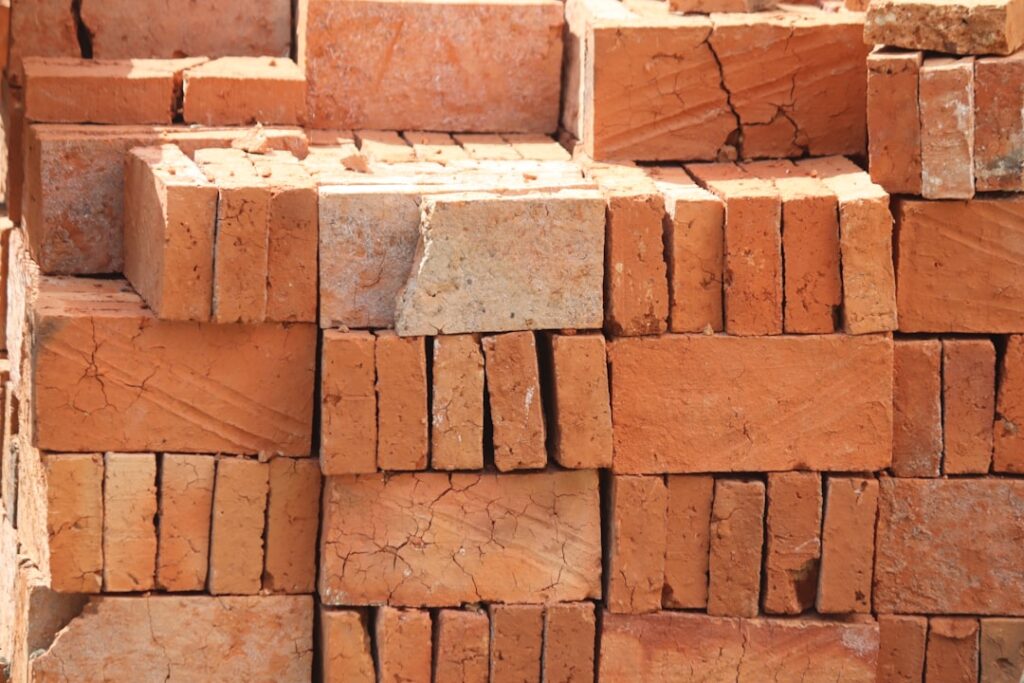
Recycled or Locally Sourced Stone and Brick:
Brick and stone last for decades, require little maintenance, and add substantial value. Choosing locally quarried or salvaged stone minimizes transportation impacts and blends naturally with the area’s architectural styles.
How Do Sustainable Materials Improve Indoor Comfort and Energy Efficiency?
Well-chosen sustainable materials can make homes more comfortable and energy efficient throughout Culpeper’s changing seasons. Good insulation, passive heating/cooling, and moisture control are crucial in this region.
- Insulated walls and windows help keep summer heat and winter cold out, lowering utility bills.
- Natural materials like adobe or rammed earth (less common, but possible with proper engineering) maintain comfortable humidity and temperature levels.
- Advanced siding and roofing systems shed water more effectively during local storms, reducing the risk of mold and rot indoors.
Residents often ask if these upgrades are truly noticeable. For most households, properly installed insulation, high-performance windows, and weather-resistant siding not only reduce energy costs but also boost comfort during temperature swings—especially through winter cold snaps and muggy summer days.
Are There Affordable Options for Sustainable Construction or Renovations in Culpeper?
Sustainable materials can sometimes cost more initially but often bring savings long term. Area families looking for budget-friendly options may consider:
- Salvaged or recycled materials from deconstruction or resale centers, which can be more affordable than new products—this is especially useful for interior doors, flooring, or accent woodwork.
- Upgrading insulation in attics and walls with cellulose or recycled denim—both are widely praised for energy performance and cost-effectiveness.
- Simple exterior changes, like metal roofing with recycled content, which protects against hail and heavy rain common in the region while extending replacement cycles.
It’s a common misconception that “green” always means expensive. Many upgrades—like caulking, weatherstripping, and improving attic insulation—cost little but deliver significant efficiency gains.

What Local Factors Should Be Considered When Choosing Materials?
Culpeper’s location means factoring in both environmental impact and how well materials resist pests, humidity, and storms.
- Termite resistance is important, especially for wood materials; treated or naturally tough woods are preferable.
- Flooding is a lesser risk in most of the area, but moisture-resistant flooring, wallboard, and siding are still smart investments.
- Materials that withstand repeated freeze-thaw cycles are less likely to crack or degrade in local winters.
- Regionally appropriate plant-based materials or finishes help reduce allergens and indoor air pollution.
Check with municipal building codes before using certain new or experimental materials—Culpeper may have requirements for energy efficiency, fire ratings, and durability that must be met.
Are There Hidden Drawbacks or Overlooked Issues with Eco-Friendly Materials?
Not every sustainable material fits every project. For example,
- Some bamboo products use glues that may release indoor air pollutants if not properly sourced.
- Recycled materials may look different from new stock—ideal for character, but may not suit every taste.
- “Natural” doesn’t always mean low-maintenance; unsealed wood, for example, may require regular care to resist moisture.
- Imported materials, even if renewable, can have a high carbon footprint due to shipping.
Weigh performance, cost, and environmental impact together rather than relying only on labels or trends.
Can Sustainable Materials Work for Older Homes in Culpeper?
Yes. Many homeowners upgrade insulation, switch to recycled or longer-lasting roofing, and swap out old doors or windows for newer, energy-efficient ones. Salvaged wood is sometimes used to match historic trims or flooring, preserving the unique look of older homes while reducing environmental impact.
It’s especially valuable to test for hazardous materials (like asbestos) in older buildings before renovations. Working within code and preserving the historic character often means mixing sustainable with traditional materials, with careful attention to local climate durability.