

 See My Latest Article on HelloNation
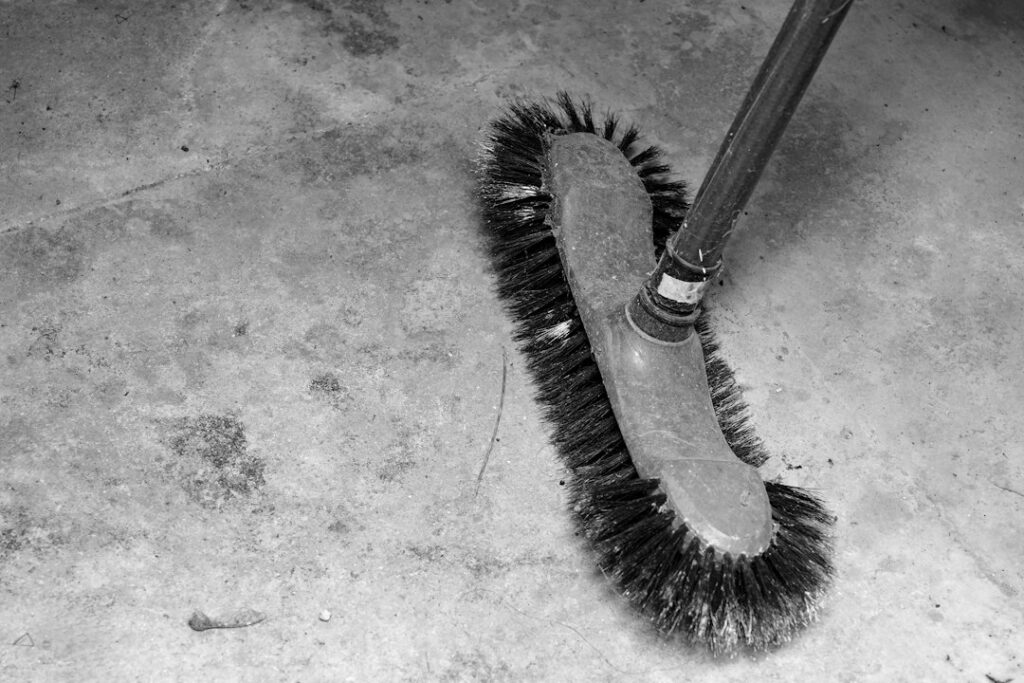
Concrete can look solid while developing problems beneath the surface. Early signs such as unusual cracking, flaking, dusting, or exposed aggregate may indicate poor materials, improper placement, weak curing, drainage problems, or repeated exposure to freezing and thawing.
For residents in Culpeper, VA, seasonal temperature changes, winter moisture, clay-rich soils in some areas, and runoff around driveways or walkways can all affect concrete performance. The appearance of a defect does not always reveal its cause, so the pattern, location, age, and progression of the damage matter.
What does poor-quality concrete look like?
Poor-quality concrete often shows surface damage, inconsistent texture, or cracking that appears earlier and spreads faster than expected. A single hairline crack may be minor, but several different defects appearing together deserve closer attention.
Common visual signs include:
- Flaking or peeling at the surface
- Soft, chalky, or dusty concrete
- Numerous small pits or holes
- Exposed stones or aggregate
- Uneven color or blotchy finishing marks
- Cracks that widen, multiply, or follow a pattern
- Sections that sound hollow when lightly tapped
- Edges that crumble easily
- Standing water caused by poor slope or settlement
Some surface variation is normal, especially in older slabs. The concern increases when damage is widespread, worsening, or accompanied by movement or drainage problems.
Why is concrete dusting a warning sign?
Concrete dusting occurs when a powdery layer develops on the surface and rubs off under foot traffic, sweeping, or vehicle use. It usually indicates that the surface did not become dense and strong enough during finishing and curing.
Possible causes include:
- Finishing the slab while excess water was still rising to the surface
- Adding water to the surface to make finishing easier
- Inadequate curing
- Cold conditions during placement
- A weak or poorly proportioned concrete mixture
- Excessive traffic before the slab gained strength
Dusting is more than a cosmetic issue. It can expose weaker material, create loose debris, and allow moisture to enter the upper portion of the slab. On garage floors, walkways, and patios, continued abrasion may gradually make the surface rough and uneven.
What do flaking and peeling concrete mean?
Flaking, peeling, or scaling occurs when the top layer breaks away in thin pieces. This is especially common on exterior slabs exposed to moisture and winter weather.
Concrete contains small pores that can hold water. If that moisture freezes, it expands and creates internal pressure. Repeated freeze-thaw cycles can eventually break down the surface, particularly when the concrete is porous, poorly cured, or not designed for the conditions.
Road salt and deicing products can make the damage worse by increasing the amount of moisture held near the surface. Areas near driveways, steps, and garage entrances may show scaling first because they receive more water, traffic, and winter treatment.
Scaling should not automatically be blamed on deicing products alone. Poor drainage, low-quality concrete, improper finishing, and insufficient air entrainment may also contribute.
Are small cracks a sign of bad concrete?
Small cracks are not always proof of poor-quality concrete. Concrete naturally shrinks as it dries and can develop minor cracks even when it was properly installed.
The size, direction, and location of a crack provide more useful information than its existence alone.
Hairline cracks may be less concerning when they are stable and limited to the surface. More significant warning signs include:
- Cracks that continue to widen
- Cracks that pass through the full thickness of a slab
- Long cracks that run across a driveway or foundation area
- Stair-step cracks in masonry or concrete block
- Cracks accompanied by uneven elevations
- Cracks that allow water to enter a basement, garage, or enclosed space
- Cracks around corners, control joints, or load-bearing areas

A diagonal crack near a corner may indicate movement or settlement. Cracks that follow planned control joints are often less serious because those joints are intended to manage shrinkage. However, a joint that has failed, opened widely, or allowed one side to rise may point to a larger problem.
What does honeycombing reveal about concrete quality?
Honeycombing describes areas where the cement paste is missing and coarse aggregate is exposed, leaving a rough, rocky, or open appearance. It is most often found along edges, corners, walls, or around reinforcing steel.
Honeycombing can result from inadequate consolidation, congested reinforcement, a mixture that was too stiff, or poor placement technique. Small, shallow areas may be mainly cosmetic, but deep honeycombing can reduce protection around reinforcing steel and create paths for water to enter.
If rust-colored staining appears near exposed reinforcement, moisture may be reaching the steel inside. As the steel corrodes, it expands and can force surrounding concrete to crack and break away.
Why are uneven color and texture sometimes a concern?
Color differences do not always mean the concrete is weak. Variations can occur because of changing moisture, shade, curing conditions, finishing methods, or the timing of different pours.
However, unusual texture combined with color changes may identify inconsistent placement. For example, one area may be smooth and dense while another is porous, rough, or unusually soft. This can happen when separate batches were mixed with different water levels or when one section received different finishing and curing treatment.
Dark stains, rust marks, and persistent damp areas may indicate drainage or corrosion concerns rather than a simple appearance issue.
How can local weather affect concrete damage?
Seasonal conditions in Culpeper can place repeated stress on exterior concrete. Moisture may enter small cracks and pores, freeze during winter cold, and expand. When temperatures rise, the water thaws, leaving the material vulnerable to another cycle.
Spring runoff can also expose problems that were less visible during dry weather. Water flowing toward a slab, collecting beside a foundation, or washing out soil beneath a walkway can contribute to settlement and cracking.
Concrete near downspouts, low areas, unpaved edges, and sloped driveways deserves particular attention. A slab may be structurally sound but still deteriorate quickly if water cannot drain away from it.
What should be checked before judging a concrete slab?
Start by observing the defect over time. Photograph the same areas after dry weather, rainfall, and winter conditions. A simple ruler can help track whether a crack is widening.
Check:
- Whether the damage is limited to the surface or extends deeper
- Whether one side of a crack is higher than the other
- Whether water collects on or beside the slab
- Whether edges are breaking away
- Whether the concrete sounds hollow in damaged areas
- Whether reinforcing steel is visible
- Whether doors, gates, or steps have become difficult to operate nearby
- Whether the problem is spreading or remaining stable
Concrete that is crumbling rapidly, exposing reinforcement, shifting significantly, or affecting stairs, retaining structures, foundations, or other safety-related features should be evaluated promptly. Falling pieces, unstable steps, and trip hazards also require attention because they can create immediate risks even when the underlying cause is still uncertain.
Aging alone does not prove that concrete was poorly made. The most useful distinction is whether the material is stable and serving its purpose, or whether defects are progressing because of weak concrete, water exposure, movement, or a combination of these factors.