

 See My Latest Article on HelloNation
What Are the Most Popular Wall Finishes Seen in Culpeper, VA Homes?
Paint remains the most frequently chosen wall finish among households, prized for its affordability, easy maintenance, and broad color range. Aside from paint, local homes are showing increased interest in textured finishes, wall coverings, and accent materials.
- Smooth latex paint is often used for living spaces, bedrooms, and hallways due to quick application and dry times.
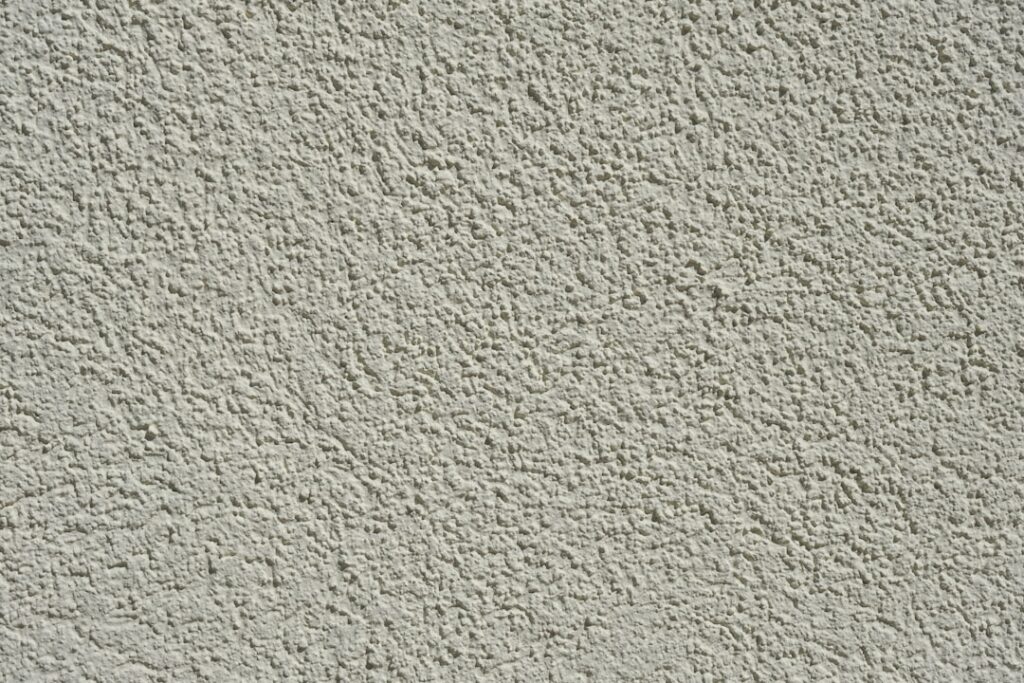
- Textured finishes like knockdown, orange peel, and subtle plaster help mask minor imperfections, making them common in older homes and high-traffic areas.
- Contemporary wallpapers and fabric wallcoverings, previously considered outdated, have regained popularity. Modern options include peel-and-stick products for shorter-term changes or traditional pasted wallpapers for longevity.
- Wood paneling, either as full walls or wainscoting, brings warmth and texture, commonly used to create accent walls or add historic character.
The trend toward mixed materials—combining paint, paneling, and textured surfaces—reflects homeowners’ desire for rooms that feel unique but remain within the character of Culpeper homes, many of which blend historic and modern elements.
Which Wall Finishes Work Best with the Local Climate and Housing Patterns?
Interior wall finishes in this region must be able to cope with seasonal humidity swings and temperature changes typical for central Virginia. Moisture resistance plays a critical role, especially in older or less insulated homes.
- In bathrooms, kitchens, and basements, mildew-resistant paints and vinyl wall coverings are preferred to handle higher humidity.
- Drywall textures—such as knockdown or light skip trowel—are less susceptible to showing minor shifting or hairline cracks caused by expansion and contraction of framing.
- For basements, sealing primers underneath finishes can provide additional protection.
- Plaster, often seen in historic homes, offers durability and some moisture resistance but may require professional touch-ups if repairs are needed.
Area households considering wall finishes should keep seasonal drafts and condensation in mind, especially for exterior walls and below-grade spaces.
Are There Sustainable or Low-Allergen Wall Finish Options for Local Residents?
Many families ask about finishes that support healthier indoor air and contain fewer volatile organic compounds (VOCs). Several practical choices are available:
- Low-VOC or zero-VOC interior paints limit off-gassing and odors, ideal for nurseries, bedrooms, or homes with sensitivities.
- Natural limewash and clay-based plasters provide subtle texture, absorb some odors, and regulate minor fluctuations in humidity. These are rising in popularity for accent walls and entire spaces where breathability is desired.
- Recycled-content wallpapers and sustainably sourced wood paneling balance eco-consciousness with style. Fabrics made from natural fibers like cotton or linen also appeal to some homeowners.
These options fit especially well for households with allergies or asthma concerns and those looking to minimize chemical exposure indoors.
What Design Trends Are Area Residents Embracing in Living Spaces?
Recent years have seen a shift toward personalized and layered finishes, often drawing inspiration from historic homes in the community and broader national trends.
- Two-tone walls, either as color blocking or with different textures, are widely used to add subtle dimension.
- Accent walls using wood slats, beadboard, or board-and-batten provide architectural interest without overwhelming a room.
- Neutral palettes are prominent, but rich, earthy hues and nature-inspired greens and blues are requested more as statements or backdrops.
- Subtle metallic paint finishes or hand-troweled plasters catch light differently, used sparingly for upscale effects.
- Removable wallpaper lets renters or frequent redecorators experiment with bolder patterns or colors without a long-term commitment.
Painted mural features and geometric designs give children’s rooms or offices a sense of fun and creativity without requiring permanent changes.
How Do Wall Finishes Affect Home Maintenance and Cleaning?
The finish type chosen can make a noticeable difference in ongoing upkeep. Residents should consider how much time they prefer to spend on cleaning and touch-ups:

- Satin and eggshell paints resist fingerprints and light scuffs while being easier to wipe clean than matte finishes.
- Highly textured finishes or deep grooves in paneling can collect dust; regular vacuuming and gentle brushing are helpful for upkeep.
- High-gloss paints have superior washability but can draw attention to wall blemishes, so are mostly used for trims or occasional accent walls.
- Wallpaper may require gentle spot cleaning, so it’s best placed away from kitchens or mudrooms unless specifically labeled “scrubbable.”
For homes with pets or young children, durability and ease of cleaning are frequent priorities. Picking finishes designed for frequent touch-ups or spot repairs reduces future upkeep.
Are There Any Common Mistakes Residents Should Avoid?
Homeowners often under- or overestimate the impact of wall finishes on a room’s feel and longevity:
- Selecting a finish that’s too glossy for a rough or patched wall can highlight imperfections.
- Choosing very dark or very bold finishes in small rooms can sometimes make the space feel closed-in unless balanced with lighter trim or ceilings.
- Neglecting to properly prime or prepare surfaces (especially in older homes with repaired plaster) can result in uneven finishes or peeling.
- Failing to consider the impact of high humidity, especially in basements or bathrooms, can lead to early deterioration or mildew.
It’s also common to overlook the influence of natural and artificial lighting on perceived color. Testing paint or texture samples on the actual wall and observing at different times of day is a practical step.
What Should Residents Know Before Updating Wall Finishes in Historic or Older Homes?
For homes featuring original plaster walls or unique historic finishes, there are additional considerations:
- Repairs to plaster are often best handled by those familiar with traditional methods, though patching small cracks or holes is possible for skilled do-it-yourselfers.
- Maintaining or uncovering old wood paneling can add value and authenticity. However, refinishing should be approached carefully to avoid damage.
- Some older paints may contain lead, especially in homes built before 1978. If there’s any suspicion or peeling, proper safety precautions and testing are required before disturbing surfaces.
- Breathable finishes—like limewash—are preferred for original masonry or plaster walls, helping prevent trapped moisture inside the wall assembly.
Respecting the historic fabric of homes not only preserves heritage but may also impact resale value for those planning future moves.